
Reduced Cooling During Beer Processing: How Divergan® Pall Stabilization Supports Sustainable Brewing
March, 2026
Why Have Breweries Traditionally Relied on Cold Temperatures?
After wort boiling and fermentation, beer usually enters the cold block where temperatures drop to 0°C or below. Cold conditions support several production goals:
- Promote natural chill haze formation before filtration
- Improve CO2 binding from fermentation to support taste and stability
- Enhance the performance of silica gel
- Improve microbiological safety and reduce spoilage risk
- Slow oxidative aging reactions and protect flavor
- Support yeast sedimentation before downstream processing
Lager styles also rely on an extended cold phase known as maturation or lagering.

What Alternatives Exist to These Deep Cold Processes?
Breweries already apply several methods to achieve clarity and stability without relying solely on cold processing:
- Protein stabilization using enzymes or finings
- Hygienic design and modern cleaning strategies to reduce microbiological risk
- Closed processing systems that minimize oxygen uptake
- Blending units that precisely adjust CO2 levels late in production
- Centrifugation to remove yeast
- Divergan Pall stabilization which works as well or better at higher temperatures
These tools make warmer processing strategies practical for many breweries.
Example: Avoiding Cooling From 15°C to 0°C in a 5,000 hL Tank
Using standard heat removal calculations:
- Energy removed is about 31,350,000 kJ
- Equivalent to about 8.7 MWh or about 9.6 MWh with 90 percent efficiency
- At 170 USD per MWh this cooling step costs about 1600 USD
- Based on an average carbon intensity of 365 kg CO2 per MWh in the United States this also provides meaningful CO2 reduction
Breweries processing multiple tanks stand to save significantly more.
Does Divergan Pall Stabilization Still Work at Higher Temperatures?
To evaluate Divergan Pall performance at warmer temperatures Divergan type Divergan Pall was tested at 0°C, 10°C and 20°C using ASBC Beer 35 analysis.
Results show that Divergan Pall adsorption improves slightly as temperature increases. This confirms that Divergan Pall works effectively at warmer processing temperatures.
What Does This Mean for Brewers Considering Warmer Processing?
The data demonstrates that breweries can reduce cooling loads and energy use without sacrificing clarity or stability when using Divergan Pall stabilization. Warming processing can help lower operating costs, reduce environmental impact, improve utility efficiency and provide greater process flexibility.
Warm process brewing is supported by existing stabilization platforms and can be implemented without compromising product quality.
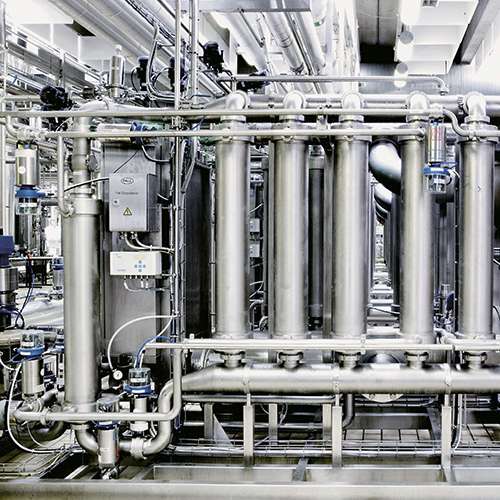
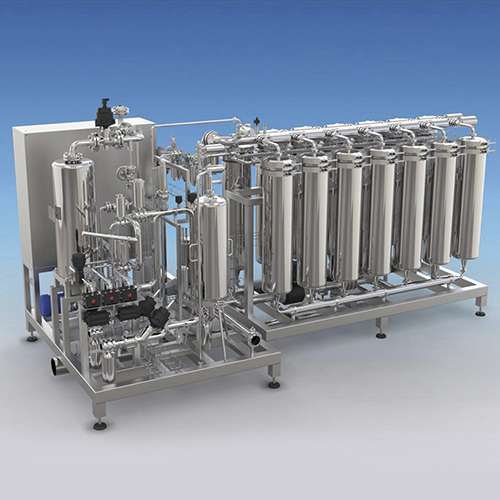
How Pall Technologies Support Higher Temperature Brewing

Frequently Asked Questions
What are the benefits of warmer beer processing?
Warm processing can reduce energy use, lower cooling demand and support sustainability goals while maintaining clarity and stability when Divergan Pall is used.
Does Divergan Pall work at higher temperatures?
Yes. Trial data shows Divergan Pall adsorption improves slightly with increasing temperature.
How can breweries reduce cooling energy use?
By minimizing deep chilling steps, improving process hygiene and using stabilization technologies like Divergan Pall that perform well at warmer temperatures.
Key Takeaway
Divergan Pall offers breweries flexibility to reduce cooling requirements cut energy costs and improve sustainability. With proven performance at warmer temperatures breweries can operate more efficiently without compromising clarity or stability.
Contact Us
Ready to explore warm processing solutions? Contact us to speak with a brewing specialist.
Contact us to speak with a brewing specialist.