
Wine Filtration Trends 2026: What Wineries Need to Know
March, 2026
In 2026, best practices in wine filtration focus on crossflow clarification and sterile final membrane filtration, supported by staged prefiltration, controlled utilities, and hygiene zoning. These measures ensure sensory quality, microbial stability, regulatory compliance, and sustainability.
Global Context
Global wine production has shown only a modest recovery and remains below recent averages, increasing the importance of filtration strategies that preserve aroma, mouthfeel, microbial stability, and export readiness, especially for premium wines

Key Trends Driving Filtration in 2026
- EMEA: Transition from DE to crossflow systems; sterile membranes with integrity testing; hygiene zoning; strict EU compliance. Recovery across the region remains uneven, and wineries are also adopting improved air-handling practices—such as better air filtration and controlled airflow—to reduce contamination risks after final filtration.
- Americas: Premiumization and strong DTC channels; staged prefiltration; utilities treated as HACCP critical control points; TTB labeling requirements. Advanced microfiltration is also supporting the growth of low alcohol wines, and in Latin America membrane systems are helping producers meet export standards while reducing manual handling.
- Asia-Pacific: Crossflow and sterile filtration as baseline; automation and predictive monitoring gaining traction. Regional growth continues to be driven by sparkling wine demand, urban consumption and the rapid expansion of low and no alcohol categories.
Technology Adoption
Crossflow and sterile final filtration are now operational standards, reducing waste, protecting clarity, and enabling continuous operation. Automation features like smart backflush and digital QA strengthen compliance and traceability.
Product Solutions for 2026
- Modern crossflow systems use membrane technology to continuously clarify wine, replacing traditional diatomaceous earth (DE) filtration. This approach reduces waste, improves clarity, and preserves aroma. Explore Oneoflow™ Crossflow Systems
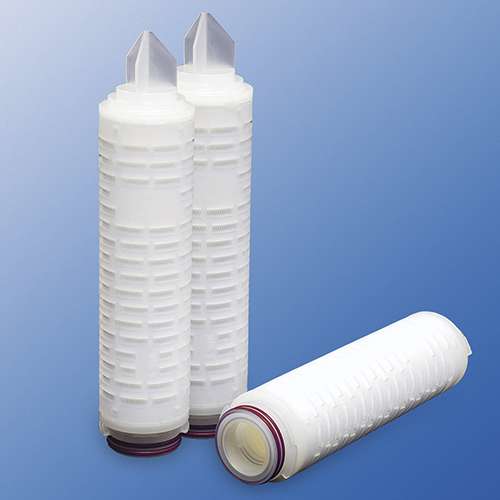
- Installed at the filler, these filters remove yeast and bacteria without heat treatment, ensuring microbial stability and extended shelf life. Integrity testing confirms performance before bottling. Learn more about Final Filtration for Wine.
- Depth filters act as a protective stage before final membranes, capturing particles and colloids to optimize throughput and extend membrane life. Discover wine pre filtration here.
- Compressed air and nitrogen used in wine processing must be filtered to remove microorganisms and particulates. These sterile filters safeguard utilities, which are considered critical control points under HACCP (Hazard Analysis and Critical Control Points). Learn more about sterile air and gas filtration.
- The portfolio also includes SUPRAdisc™ II modules, supporting robust depth prefiltration, along with documentation and traceability tools that help wineries strengthen audit readiness.


Download the Full Bulletin
Get detailed actions, compliance guidance, and product solutions in the complete Wine Filtration Trends 2026 Application Bulletin.
Frequently Asked Questions
What is crossflow filtration?
Crossflow filtration uses membranes to clarify wine continuously, replacing DE sheets and reducing waste while preserving aroma and clarity.
Why sterile final filtration at the filler?
Sterile membranes retain yeast and bacteria without heat, ensuring microbial stability and shelf life. Integrity tests validate performance.
How should utilities be filtered?
Sterile filters for compressed air and nitrogen; validate steam SIP cycles and maintain oxygen control.
Can crossflow replace DE without impacting quality?
Yes. Crossflow preserves sensory attributes while improving efficiency and sustainability.
Talk to our team to find the right filtration solution for your winery.