Black Powder in Natural Gas Pipelines: Impact, Prevention and Removal
Oct, 2026
What Is Black Powder in Natural Gas Pipelines?
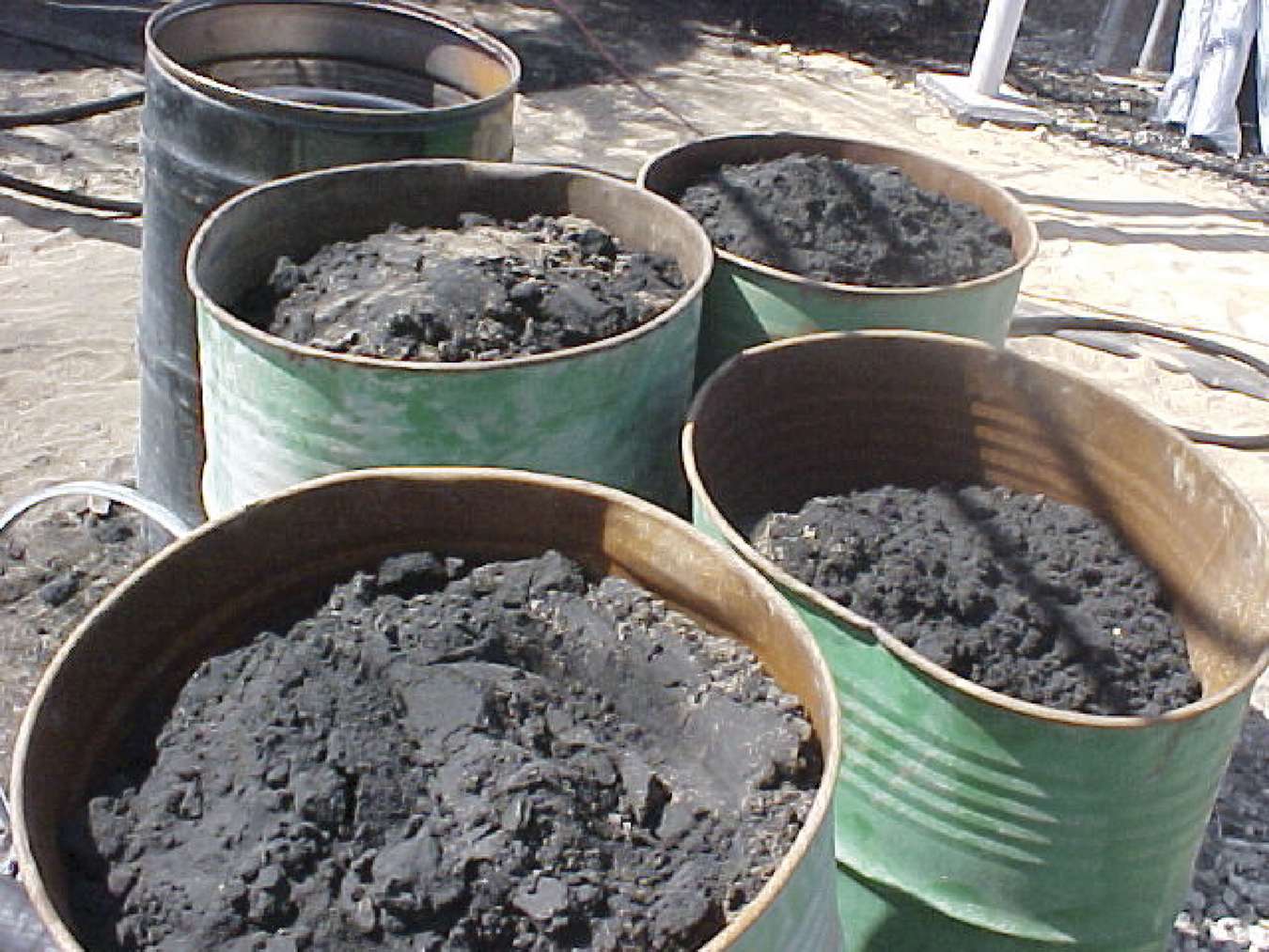
Black powder is a common corrosion-related contaminant prevalent in pipelines transporting LPG, LNG and hydrocarbon condensates. Studies of particle size distribution have shown variation from fine to sub-micronic particles. It is referred to as black powder because its visual appearance is often black or grey, although it can also appear lighter in color. The typical composition of black powder in gas pipelines is iron oxide, accelerated by sour gas, which poses a significant threat to pipeline integrity.
Black powder contamination can contribute to fouling, equipment damage, reduced process reliability and increased maintenance requirements if not effectively removed from gas and liquid streams.
Why Is Black Powder a Problem?
The presence of black powder in incoming LNG and LPG streams supplied to ethylene furnaces can negatively impact performance. As a result, furnace run times decrease while maintenance costs increase.
Impact on LNG, LPG and Ethylene Operations
- Accelerated coking reactions in furnace tubes and fouling in the convection section
- Formation of CO in cracked gas
- Loss of furnace capacity during pigging operations
- Severe corrosion resulting in frequent replacement of damaged furnace tubes
Impact on Natural Gas Processing Operations
In natural gas pipelines, black powder contamination combined with water and hydrocarbons can contribute to:
- Product with high water content in condensate or crude that upsets the process
- Foaming in amine sweetening units and glycol dehydration units
- Equipment failures leading to fouling and plugging of reboilers in fractionation plants
- Poor accuracy of meters and valves
- Failure of critical instrumentation
- Safety and environmental issues such as gas releases
How Does Black Powder Form?
Black powder is generally associated with corrosion occurring within pipeline infrastructure. The resulting contamination can be transported throughout the system and accumulate in downstream equipment. Depending on operating conditions, black powder can vary considerably in particle size, quantity and composition.
How Is Black Powder Analysed in Natural Gas Pipelines?
chemical composition. A site survey is crucial before implementing separation technology to assess contamination issues within a pipeline system.
Understanding the characteristics of the contamination allows operators to select the most appropriate separation technology for the application.
Isokinetic sampling is recommended as best practice because it helps avoid altering particle size during collection. The technique collects particles moving at the same velocity in the sampling nozzle as elsewhere in the stream, improving the accuracy and reliability of results.
Other methods can measure liquid content and liquid aerosol size distribution, including in-line particle counters. However, these methods cannot distinguish liquid aerosols from solid particulates and cannot collect liquids.
How Can Black Powder Be Managed?
While black powder cannot always be eliminated at the source, its operational impact can be reduced through effective contamination monitoring, sampling, filtration and separation technologies.
Removing solids, water and hydrocarbon liquids before they reach critical processing equipment can help improve reliability, reduce maintenance requirements and support stable operation.
Black Powder Removal Technologies
A variety of technologies are used throughout the natural gas industry to help reduce the impact of black powder contamination and remove associated water and hydrocarbons from gas streams.
| Technology | Typical Application |
|---|---|
| Depth and pleated cartridge filter | Removal of black powder particulates |
| Cyclonic systems combined with cartridge filtration | Bulk contamination reduction |
| Liquid/gas coalescers | Removal of water and hydrocarbons from gas flows |
| Liquid/liquid coalescers | Separation of water and hydrocarbons in liquid streams |
Looking for Black Powder Removal Solutions?
Pall filtration and separation technologies help remove black powder contamination, water and hydrocarbon liquids from natural gas processing applications.
Frequently Asked Questions
What is black powder in natural gas pipelines?
Black powder is a corrosion-related contaminant commonly found in gas pipelines transporting LNG, LPG and hydrocarbon condensates. It is typically composed of iron oxide and can vary significantly in particle size and composition.
Why is black powder harmful?
Black powder can contribute to equipment fouling, corrosion, reduced process efficiency, instrumentation failures and increased maintenance requirements.
How is black powder analysed?
Pipeline contamination is often assessed through site surveys and sampling techniques such as isokinetic sampling, which helps accurately characterize contaminant size and composition.
How is black powder removed?
Commercial solutions include cartridge filters, cyclonic separation systems, liquid/gas coalescers and liquid/liquid coalescers.
Which operations can be affected by black powder contamination?
Black powder can impact LNG, LPG, ethylene, hydrocarbon condensate and natural gas processing operations by contributing to fouling, corrosion and equipment reliability issues.
Explore Black Powder Removal Solutions